

A car hire price is usually made up of a base rental rate, with factors like the type of vehicle, booking length, insurance, location, and optional extras influencing the final overall cost to hire.
While some pricing is standard across the industry, others will vary depending on the provider and the options you choose when booking. This guide explains car rental fees, what you’re paying for, why common charges exist and what to look for before you book.
How Much Does Car Hire Cost In Australia?
While there isn’t a single fixed cost for hiring a car in Australia, each quote starts with a base hire rate. From there, the final price will vary between providers based on a few factors, such as the type of vehicle you choose, how long you need it, where you’re collecting it, demand at the time of booking, your insurance options, and any optional extras you add.
So, how much does car hire cost? The answer will depend on a combination of these factors above rather than a single standard price. But knowing what influences the total cost can help you compare providers and choose the option that best suits your budget and needs.
See how KINTO pricing keeps pricing simple. Explore KINTO car hire pricing to compare vehicles and rates before you book.
What Affects Car Hire Prices?
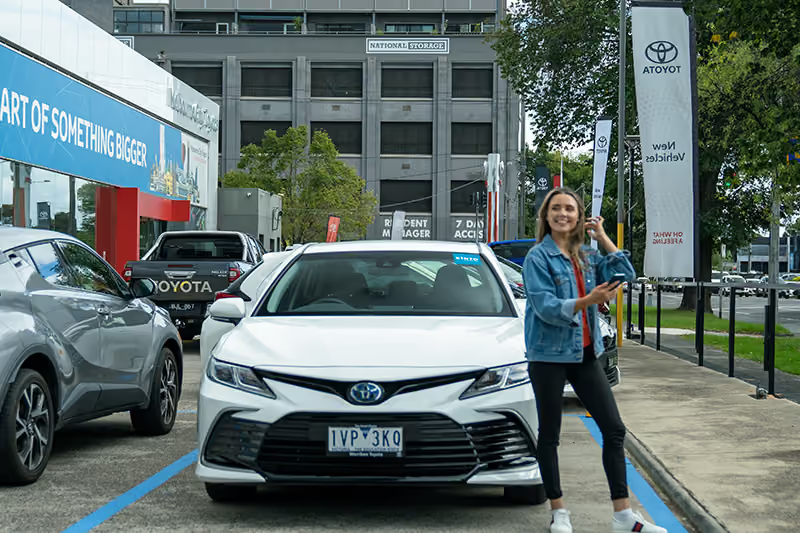
There are several factors that affect car hire pricing, even when you compare similar vehicles. Understanding what goes into the total cost can help you choose a car hire option that suits your travel plans and budget.
Some of the most common factors include:
- Vehicle type: Larger vehicles, SUVs and premium models typically cost more than smaller cars. This is usually due to their higher running costs and greater demand for family holidays and group travel.
- Hire duration: The length of your booking can affect the total cost. Some providers may offer lower daily rates for longer bookings.
- Demand: Prices may change throughout the year based on demand. Peak travel times, like school holidays, long weekends, and major events, can increase demand, which could impact availability and pricing.
- Pick-up location: Where you collect your vehicle can impact the total price. Regional locations, airports and popular tourist destinations may have different pricing or location-related charges.
- Insurance: The level of cover you choose can affect the final price of your booking. While a higher level of cover may increase the upfront price, it can reduce your financial responsibility if something goes wrong during the hire.
- Additional charges: Depending on the provider, the total price may include charges for child seats, GPS devices, additional drivers, insurance reduction, etc. Some providers may also add surcharges for drivers under 25.
Car Hire Fees And Charges Explained
Not every car hire booking includes the same fees and charges. Some depend on the provider you choose, while others only apply if you choose additional services or meet certain booking conditions. Let's take a closer look at car rental pricing by explaining some of the most common charges and why they exist.
Insurance excess and excess reduction
Most car hire bookings include a standard insurance excess. This is the amount you’re responsible for paying if the vehicle is damaged or stolen. Many providers offer excess reduction as an optional extra, allowing you to pay a set amount to reduce the excess if the car is damaged or stolen. It exists to balance insurance costs while giving customers the option to increase their level of financial protection.
Fuel policies
Different fuel policies explain how much fuel the vehicle should have when you collect it vs. how much it should have when it's returned. Common policies are full-to-full, where the car must be returned with a full tank, and same-to-same, where you return the vehicle with the same amount of petrol it had at pick-up. These policies help manage refuelling costs and ensure vehicles are ready for the next customer. If the vehicle is returned with less fuel than needed, an additional refuelling service and charges may apply.
Location surcharges
Some providers may apply a location surcharge when you collect a vehicle from airports or at high-demand locations like tourist hotspots and city centres. These charges help cover additional costs of operating in these areas, including concession fees at airports, higher facility costs, and longer operating hours to accommodate customer demand.
Optional extras
Depending on your provider, additional services such as child seats, GPS devices and adding additional drivers to your booking can incur an extra charge. These optional extras allow customers to tailor their booking to their needs without increasing the base hire price for everyone.
Kilometre limits
Some bookings will include unlimited kilometres, while others have a daily or total distance allowance. If you exceed your allowance, you may incur extra charges. Kilometre limits are there to help providers manage vehicle wear and tear and keep maintenance costs under control.
Tolls and administration
If you travel on toll roads, providers may charge you the toll itself, as well as an administrative fee for processing the payment on your behalf. These charges cover the management of toll payments after your trip and may vary between providers.
Not every provider charges every fee, so it's worth reviewing what fees are included in the hire cost before booking.
Planning a holiday? See how hiring a KINTO could save you money on your next holiday.
What's a car hire deposit and why do companies hold one?
Car hire deposits: how do they work? Many car hire companies will require a security deposit or pre-authorisation before you collect your vehicle. While the terms are similar, they mean different things. A security deposit is money that is paid by you, then later refunded if no additional costs are incurred during your trip. On the other hand, a pre-authorisation, also called a card hold, temporarily reserves funds on your payment card without taking the money out of your account.
These help protect rental companies against potential costs such as vehicle damage, unpaid tolls, and traffic infringements that may only be known after the car has been returned. Typically, once your booking is complete, the hold is released, though this may also depend on your provider and bank.
Before you book a car, always check the required deposit amount, how long it may take to be released and whether your provider accepts debit or credit cards.
So why can car hire be expensive?
If you've ever wondered why car hire can be expensive, it’s most likely because the hire price covers much more than simply using the vehicle. Rental providers need to purchase and regularly replace vehicles in their fleet while also covering depreciation, servicing, registration, insurance and cleaning. They also invest in customer support, roadside assistance, and the systems needed to manage reservations and vehicle availability. During peak travel times, higher demand may also impact pricing as vehicle availability becomes more limited.
Each provider offers different services and structures pricing differently, but these operating costs all contribute to the final price you pay to hire a car. Once you understand where those costs come from, comparing providers may be easier.
How KINTO pricing works

Traditional car hire pricing can vary between providers, with different inclusions, optional extras and payment policies affecting the final cost. KINTO is designed differently, with a focus on a simple, transparent pricing model that shows you exactly what's included before you book.
Every KINTO booking includes fuel[1], insurance, ]maintenance, and 24/7 roadside assistance in one all-inclusive rate, so there's no need to calculate these costs separately. There are no membership fees to join, and KINTO doesn't require a security deposit when you book. You can explore pricing by getting a quote on the KINTO website. Once you're an approved KINTO member, you can browse available Toyota vehicles in the app, compare booking options and confirm your reservation with the full price shown upfront.
Because everything is displayed up front, it's easy to understand exactly what you're paying for without having to factor in multiple inclusions or estimate additional costs. Whether you're booking for a few hours, a weekend away or something longer[2], you'll know what's included before you drive away.
See exactly what you'll pay— no deposit, no surprises.
Explore KINTO Cars & Pricing.
Are there hidden fees I should watch out for when booking a car hire online?
Not always, but to be sure, review what’s included in the price before booking. Check for charges related to deposits, insurance excess, age surcharges, fuel policies, tolls, optional extras, and kilometre limits to see what’s being charged in the total cost.
What are the best ways to save money on car rentals?
Book early where possible, choose a vehicle that suits your needs, avoid unnecessary extras and compare what’s included in the total price. A cheaper daily rate won’t always mean the lowest overall price across providers.
Are KINTO's prices different across Australia?
KINTO uses consistent pricing across Australia for the same vehicle, under the same booking conditions. The final price will depend on the vehicle you choose, the booking duration, and the distance travelled. To see the current rates, view KINTO Cars & Pricing or Get a Quote on the website.
Should I pay extra for rental car insurance?
This depends on your financial circumstances and comfort with risk. If it isn’t included in the hire price, paying for the additional cover may reduce the insurance excess you're responsible for if something happens during your booking. It may be worth the added peace of mind to add rental insurance, but it’s worth checking what’s included in the car hire cost and what the insurance covers before deciding.
[1] Fuel card may not be available to Members under a Corporate Agreement. Please check with your employer for more information.
[2[ Minimum term 1 hour, maximum term 364 days. Terms and conditions apply.